Business Name: BeeHive Homes of Bosque Farms
Address: 1935 Bosque Farms Blvd, Bosque Farms, NM 87068
Phone: (505) 357-0505
BeeHive Homes of Bosque Farms
Beehive Homes of Bosque Farms assisted living care is ideal for those who value their independence but require help with some of the activities of daily living. Residents enjoy 24-hour support and caring assistance, private rooms and home-cooked meals. Assisted living should feel like home. Welcome home!
1935 Bosque Farms Blvd, Bosque Farms, NM 87068
Business Hours
Monday thru Sunday: 9:00am to 5:00pm
Facebook: https://www.facebook.com/BeehiveHomesBosqueFarms
Families often start their look for assisted living with a confident list: security, medication support, aid with bathing, possibly a social calendar with a few great outings. Big senior living communities can look appealing at first look. There are dining establishments on website, several activity rooms, possibly even a beauty salon and theater. The marketing folder is shiny, the tour is polished, and the calendar is full.
Yet size cuts both methods. A big assisted living or memory care complex can simply as quickly overwhelm an older adult as it can support them. Throughout the years, I have satisfied many households who just understood this after a parent had actually already moved in, was struggling, and everybody was tired and discouraged.
This is an effort to slow that procedure down. When you comprehend how crowding modifications the day-to-day reality of senior care, you are most likely to match the right person with the best setting.
What "crowded" in fact means in assisted living
When specialists talk about crowded senior living, we are not just speaking about a number of houses. It is the lived density of people, noise, and activity compared with the amount of helpful personnel, quiet space, and structure.
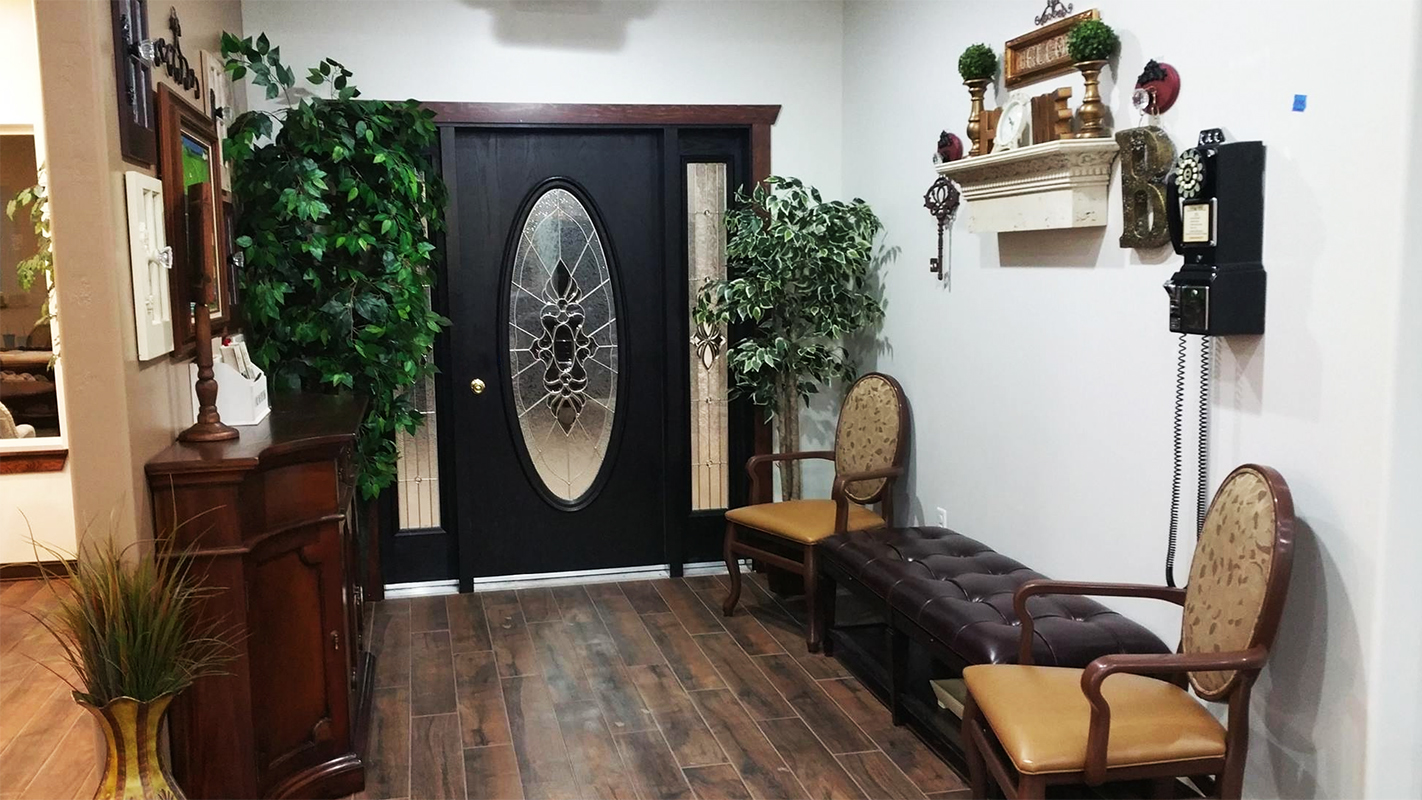
I when dealt with a 92‑year‑old retired teacher, let us call her Margaret, who moved into a 180‑unit assisted living structure. Her child loved the idea of numerous dining venues and a long list of activities. Margaret, nevertheless, walked into the really hectic lobby on move‑in day, heard televisions from 3 different instructions, and whispered, "I feel like I am at an airport."
Crowding in senior living frequently appears in subtle methods:
Families discover themselves saying, "It appears fine, however something is off." That "something" is often the inequality in between the person's requirement for predictability and the building's scale and pace.
Staff ratios and the limits of "more individuals around"
A typical misconception is that a larger assisted living neighborhood immediately indicates more eyes on locals, more safety, and more aid. The fact is more complicated.
Most states set minimum staffing levels for assisted living and memory care, but these are frequently ratios based upon total citizens, not on the intricacy of their needs. A 150‑resident community with a high percentage of individuals needing two‑person transfers, incontinence care, and close tracking for dementia habits can feel understaffed, even when the raw headcount looks appropriate on paper.
From the within, this typically appears like:
In scientific terms, the math of crowding goes like this: as the number of residents grows, the number of possible crises and small needs in any provided hour grows faster than the staffing does. When the building is full, even a well‑meaning nurse or assistant merely can not be in 5 rooms at once.
Families often inform me, "But there are many staff in the halls." That can be true. The concern is not the number of uniforms you see at noon; it is whether the ratio of locals to caretakers at 5:30 a.m., 11:00 p.m., or throughout a norovirus outbreak suffices to provide real, humane elderly care.
Social stimulation versus social overload
Activity directors in big communities work hard. They require emergency to fill a bingo video game or an exercise class, and a big structure can offer it. Yet for lots of older adults, especially those who are shy, frail, or newly widowed, big group activities in congested spaces feel less like enrichment and more like pressure.
People hardly ever state "I am overstimulated." They say:
You also see an unmentioned hierarchy emerge. The more mobile, outgoing residents frequently dominate typical locations, while quieter or more physically limited homeowners pull away. In a smaller sized setting, personnel are most likely to observe and gently draw withdrawn residents back into activity. In a crowded complex, it is easy for the very same 10 "joiners" to appear in every photo and newsletter while others fade into the background.
For many individuals, the best senior care environment is not the one with the most events posted on the calendar, but the one where three individuals at a table really speak with each other and personnel understand who prefers a little, calm activity over a big, noisy one.
How crowding affects memory care residents
Crowding is especially risky for individuals living with dementia. Memory care systems inside big schools typically share kitchens, treatment spaces, or nursing personnel with assisted living. On paper, that looks effective. In day‑to‑day practice, it can create constant motion and noise around individuals whose brains already have a hard time to filter input.
In memory care, too much stimulation can cause:
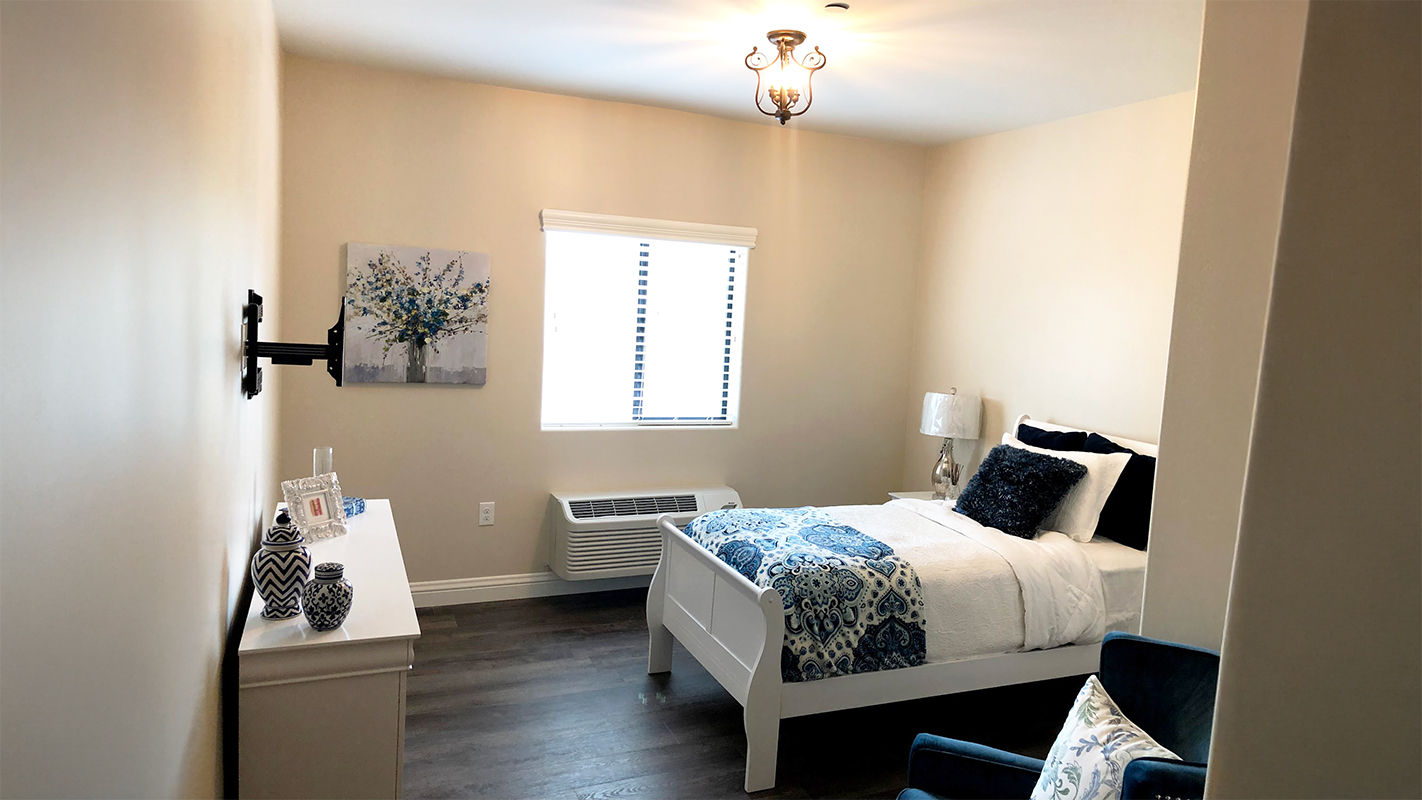
I remember one gentleman with moderate Alzheimer's illness, who had actually lived his whole life in a small town. He moved to a memory care flooring that was part of a large complex. Every meal included a line of wheelchairs, loud discussions in multiple instructions, service carts rolling by, and the TV on in the corner. Within a week his family reported "abrupt aggressiveness." When we observed him, it looked more like desperate self‑protection in a setting that never ever silenced down.
Smaller memory care homes, and even a more respite care compact wing within a bigger building, frequently manage habits better not through any magic treatment but through easier sensory environments. Less locals, much shorter corridors, familiar personnel deals with, and calmer dining rooms matter as much as medication, in some cases more.
If your loved one is thinking about memory care inside a big community, take notice of whether the system feels like its own manageable world or just a locked corner of a frustrating campus.
Infection risk and the domino effect
Every winter season, households in big assisted living structures silently fear the e-mail that starts, "We wish to inform you that a variety of citizens have been detected with ..." Influenza, norovirus, COVID, or a generic "GI bug" move rapidly through crowded senior housing.
The epidemiology is simple. Many homeowners share dining spaces, activity rooms, elevators, therapy health clubs, and corridors. Staff float between apartment or condos and often between floors. A resident who forgets to clean hands or cover a cough does not simply expose one or two neighbors. In a 150‑resident building, they may expose dozens in a single afternoon.
When infection hits a big structure:
Families sometimes feel blindsided by how rapidly a respiratory infection or stomach bug can move through a community. This does not mean little homes are magically much safer. But in a 10 or 12‑bed board‑and‑care, staff can often isolate better, feed meals in spaces, and track symptoms separately. In a crowded complex with multiple dining-room and shared personnel, complete containment is much harder.
If infection control is a concern, particularly for frail senior citizens with heart or lung disease, a large, hectic structure deserves extra scrutiny.

Noise, wayfinding, and the stress of merely getting around
Another covert cost of crowding is cognitive load. Browsing a big assisted living complex requires more mental work. Passages may look comparable. Elevators might open on near‑identical corridors. The range from apartment to dining room can include long strolls, turns, and distractions.
A retired engineer I satisfied, extremely arranged and proud of his independence, moved into a huge building with three wings and long passages. He was physically strong however slightly cognitively impaired. After a month he stated to me, "I moved here so I would not get lost driving. Now I get lost getting breakfast."
Getting lost is not just bothersome. For many older grownups, each episode brings a spike of anxiety: racing heart, shame, a sense of failure. In time, individuals adapt by minimizing their movements. They skip optional activities, prevent going outside, and stay in their spaces because they are tired of feeling puzzled in public.
Noise includes another layer. Elevators denting, phones call, televisions compete with each other, vacuum run, personnel speak throughout hallways. Even people with typical cognition can feel on alert. For those with hearing loss, the background noise materializes discussion harder. They are entrusted sound however not meaning, which is more draining than quiet.
A smaller assisted living or a more compact memory care wing often minimizes this mental pressure. Households sometimes underestimate just how much location itself can be a form of elderly care. Short, simple routes and less competing sounds assist preserve confidence and autonomy.
When a big community actually fits well
Large assisted living communities exist for a factor. For some homeowners, they work beautifully.
They tend to fit people who:
One of the very best fits I have actually seen was a retired nurse in her late seventies who moved into a big school with multiple levels of care. She delighted in the bustle, liked talking with various people at meals, and offered at the front desk. She was often the one welcoming new residents who felt lost in the first weeks. For her, the size of the community offered variety rather than noise.
The key is positioning. If your parent has always chosen small dinner parties to conferences, or if they end up being overwhelmed in huge dining establishments, that choice does not disappear since they now need assisted living or memory care.
When scale begins to injure: patterns to watch for
Families often ask for a concrete method to determine whether a large complex is too crowded in practice. Numbers can assist, however what you see and feel throughout visits matters more.
Here are some common warnings that the scale of a structure is working versus, instead of for, good senior care:
- Staff appear rushed, interrupt each other, or often say, "I will be right back," and then do not return for 10 or fifteen minutes. Residents sit alone in wheelchairs or reclining chairs in corridors for long stretches, looking disengaged or asleep, without any one examining in. The dining-room feels chaotic, with loud sound, long waits for food, mixed‑up orders, or citizens who plainly need aid consuming being assisted in a rushed, mechanical way. You notification strong smells in some areas despite a lot of personnel on the floor, recommending that the sheer number of citizens with incontinence is surpassing timely care. When you ask particular questions about how many residents each caregiver supports on a common night or weekend, responses are unclear or change depending upon who is speaking.
Any among these might have a temporary description. It is the pattern throughout two or 3 visits, at different times of day, that tells the genuine story.
Respite care in big complexes: a special case
Respite care, whether for a week or a month, can be a safe bridge for older grownups leaving the health center or offering family caretakers a break. Big assisted living neighborhoods frequently market provided respite houses, which sound perfect on paper. Yet short‑stay residents face special challenges in a congested setting.
They are tossed into a complex social and physical environment with little time to discover names, routines, or places. Long‑term residents may currently have friend groups and preferred tables. Personnel might focus attention, not surprisingly, on individuals who are remaining indefinitely.
For a frail person recovering from surgical treatment or a medical facility stay, even walking from the respite house to the dining room in a substantial structure can be exhausting. If they have a hard time, personnel might identify them as "less engaged" without recognizing they are simply overwhelmed by the structure's scale.
Respite care can still work well in a bigger community, but it demands extra structure:
If you are considering respite care inside a huge complex, ask explicitly how they help short‑stay citizens orient, and how they choose whether someone is adjusting or quietly withdrawing.
Impact on families: feeling small in a big system
Crowded senior living does not just affect the older grownup. Households likewise feel the size of a building.
In a large assisted living or memory care campus, you may discover:
Some households appreciate the privacy. Others feel that every phone call is going back to square one. Gradually, this can breed a subtle mistrust. The building feels like a system to manage instead of a group to partner with.
There is no best fix, but sincerity assists. If the community is big, ask how they appoint main points of contact. Do they have consistent care managers for each cluster of citizens, or is communication primarily routed through a central front desk? The response will influence how linked you feel.
Questions to ask when evaluating a large assisted living or memory care complex
It is simple to be distracted by architecture and features. To surpass the surface area, you need targeted concerns that reveal how the building's size really plays out in everyday elderly care.
Consider asking:
- "On a typical night shift, the number of homeowners are designated to each assistant on this floor, and how does that change if someone calls out sick?" "Can you walk me through how a brand-new resident is incorporated into meals and activities throughout the first 2 weeks, specifically if they are shy or use a walker?" "For memory care: how do you manage homeowners who become agitated by sound or crowds throughout group activities or in the dining-room?" "When there is an influenza or COVID break out, what specific actions do you require to decrease spread, and how do you communicate with families about cases on each flooring?" "Who, by name or function, would be my primary contact for day‑to‑day questions about my parent's care, and how typically should I expect proactive updates rather than just reactive calls?"
The goal is not to interrogate staff, however to see whether their responses reflect practiced, thoughtful systems or improvisation around persistent crowding.
When a smaller sized setting, or a various model, makes more sense
For some older grownups, specifically those with innovative dementia, severe anxiety, or high care needs with restricted mobility, a smaller sized assisted living home, a board‑and‑care, or a dedicated memory care cottage is typically a much better match than a vast campus.
Signs that a smaller environment might serve your loved one much better include:
Families in some cases resist moving from a big, prestigious community to a modest, small home since it seems like an action down. In practice, the modification frequently feels like an action better. Meals may be home‑cooked. Personnel might sit at the kitchen table and chat. There are fewer polished amenities, however more human scale.
The same applies within big schools. Some provide smaller, clustered communities within the bigger structure, or "household" models where 8 to 20 citizens share a dining location and living room. These can offer a middle course: the resources of a huge organization, with the feel of a smaller group.
Balancing option, resources, and fit
Selecting senior care is hardly ever basic. Budget plan, area, health requirements, and family availability all constrain the menu of alternatives. Big assisted living and memory care complexes will typically be front and center in any search due to the fact that they advertise heavily and occupy popular real estate.
Their size is not inherently a defect. It is a factor. For lots of residents they work well enough; for some they work incredibly. For others, especially those who fatigue quickly, end up being disoriented in crowds, or require constant, low‑stimulus support, the very features that look excellent in a sales brochure may silently damage their quality of life.
The most helpful mindset I have actually seen households adopt is this: deal with size the method you would deal with any medication. It has advantages and side effects. The art lies in matching the dosage to the person.
BeeHive Homes of Bosque Farms provides assisted living care
BeeHive Homes of Bosque Farms provides memory care services
BeeHive Homes of Bosque Farms provides respite care services
BeeHive Homes of Bosque Farms supports assistance with bathing and grooming
BeeHive Homes of Bosque Farms offers private bedrooms with private bathrooms
BeeHive Homes of Bosque Farms provides medication monitoring and documentation
BeeHive Homes of Bosque Farms serves dietitian-approved meals
BeeHive Homes of Bosque Farms provides housekeeping services
BeeHive Homes of Bosque Farms provides laundry services
BeeHive Homes of Bosque Farms offers community dining and social engagement activities
BeeHive Homes of Bosque Farms features life enrichment activities
BeeHive Homes of Bosque Farms supports personal care assistance during meals and daily routines
BeeHive Homes of Bosque Farms promotes frequent physical and mental exercise opportunities
BeeHive Homes of Bosque Farms provides a home-like residential environment
BeeHive Homes of Bosque Farms creates customized care plans as residents’ needs change
BeeHive Homes of Bosque Farms assesses individual resident care needs
BeeHive Homes of Bosque Farms accepts private pay and long-term care insurance
BeeHive Homes of Bosque Farms assists qualified veterans with Aid and Attendance benefits
BeeHive Homes of Bosque Farms encourages meaningful resident-to-staff relationships
BeeHive Homes of Bosque Farms delivers compassionate, attentive senior care focused on dignity and comfort
BeeHive Homes of Bosque Farms has a phone number of (505) 357-0505
BeeHive Homes of Bosque Farms has an address of 1935 Bosque Farms Blvd, Bosque Farms, NM 87068
BeeHive Homes of Bosque Farms has a website https://beehivehomes.com/locations/bosque-farms/
BeeHive Homes of Bosque Farms has Google Maps listing https://maps.app.goo.gl/VeA8p86Gp4TSGBN7A
BeeHive Homes of Bosque Farms has Facebook page https://www.facebook.com/BeehiveHomesBosqueFarms
BeeHive Homes of Bosque Farms won Top Assisted Living Homes 2025
BeeHive Homes of Bosque Farms earned Best Customer Service Award 2024
BeeHive Homes of Bosque Farms placed 1st for New Mexico Senior Living Communities 2025
People Also Ask about BeeHive Homes of Bosque Farms
What is the monthly room rate at BeeHive Homes of Bosque Farms?
Monthly room rates are based on each resident’s individual care needs. Before move-in, we complete an initial evaluation to better understand the level of support, assistance, and daily care that may be needed. This helps us provide a clear monthly rate that reflects the resident’s personalized care plan. We believe families deserve honest conversations and transparent pricing, with no hidden costs or surprise fees.
Can residents stay at BeeHive Homes of Bosque Farms through the end of life?
In many cases, yes. Our goal is to help residents remain in the comfort of a familiar, homelike setting for as long as their needs can be safely and appropriately met. There may be exceptions if a resident requires a higher level of skilled nursing care, ongoing medical treatment beyond assisted living services, or if safety concerns arise. When those moments come, we work with families, physicians, and care partners to help guide the next step with compassion and clarity.
Does BeeHive Homes of Bosque Farms have a nurse on staff?
BeeHive Homes of Bosque Farms does not have a full-time nurse living on-site, but we do have access to a consulting nurse. If a resident needs additional nursing services, a physician may order home health services to come directly into the home. This allows residents to receive supportive care in a comfortable residential environment while still having access to outside clinical services when appropriate.
What are the visiting hours at BeeHive Homes of Bosque Farms?
We welcome family visits and understand how important it is for residents to stay connected with the people they love. Visiting hours are flexible and are adjusted around the needs of each resident and family. We simply ask that visits be respectful of residents’ routines, rest, meals, and the peaceful rhythm of the home — not too early, not too late, and always centered on what is best for the resident.
Are couples’ rooms available at BeeHive Homes of Bosque Farms?
Yes, BeeHive Homes of Bosque Farms may have rooms designed to accommodate couples, depending on availability. For many couples, staying together while receiving the right level of assisted living support can bring comfort, familiarity, and peace of mind. We encourage families to ask about current room options, availability, and how care plans can be personalized for each spouse.
What makes BeeHive Homes of Bosque Farms different from larger assisted living facilities near Albuquerque?
BeeHive Homes of Bosque Farms offers care in a smaller, residential-style setting rather than a large institutional facility. Nestled in the quiet village of Bosque Farms, just south of Albuquerque, our homes are designed to feel personal, peaceful, and familiar. Residents receive support with daily needs in a setting where caregivers can truly get to know their routines, preferences, and personalities. For families looking for assisted living near Albuquerque with a more intimate, homelike feel, BeeHive Homes of Bosque Farms offers a comforting alternative.
Is BeeHive Homes of Bosque Farms a good option for families in Los Lunas, Peralta, Belen, and Albuquerque?
Yes. BeeHive Homes of Bosque Farms is conveniently located in Valencia County and serves families throughout Bosque Farms, Los Lunas, Peralta, Belen, and the greater Albuquerque area. Its location on Bosque Farms Boulevard offers families a peaceful village setting while still being close enough for regular visits, appointments, and family involvement. For many families, that balance of quiet surroundings and nearby access makes BeeHive Homes of Bosque Farms a natural choice for assisted living and memory care.
Where is BeeHive Homes of Bosque Farms located?
BeeHive Homes of Bosque Farms is conveniently located at 1935 Bosque Farms Blvd, Bosque Farms, NM 87068. You can easily find directions on Google Maps or call at (505) 357-0505 Monday through Sunday 9:00am to 5:00pm
How can I contact BeeHive Homes of Bosque Farms?
You can contact BeeHive Homes of Bosque Farms by phone at: (505) 357-0505, visit their website at https://beehivehomes.com/locations/bosque-farms/ or connect on social media via Facebook
Bosque Farms Community Center offers open green space where residents in assisted living, memory care, senior care, elderly care, and respite care can enjoy peaceful outdoor relaxation.